
2024 Activities
Continuous Training
Continuous judicial training ensures that European justice practitioners can continue to develop their skills and expertise throughout their careers. EJTN supports this ongoing development and capacity building through a wide range of continuous training and exchange opportunities, thus helping European judges, prosecutors, and court staff strengthen their professional competencies and promote high-quality justice across the EU.
Exchanges
Overview
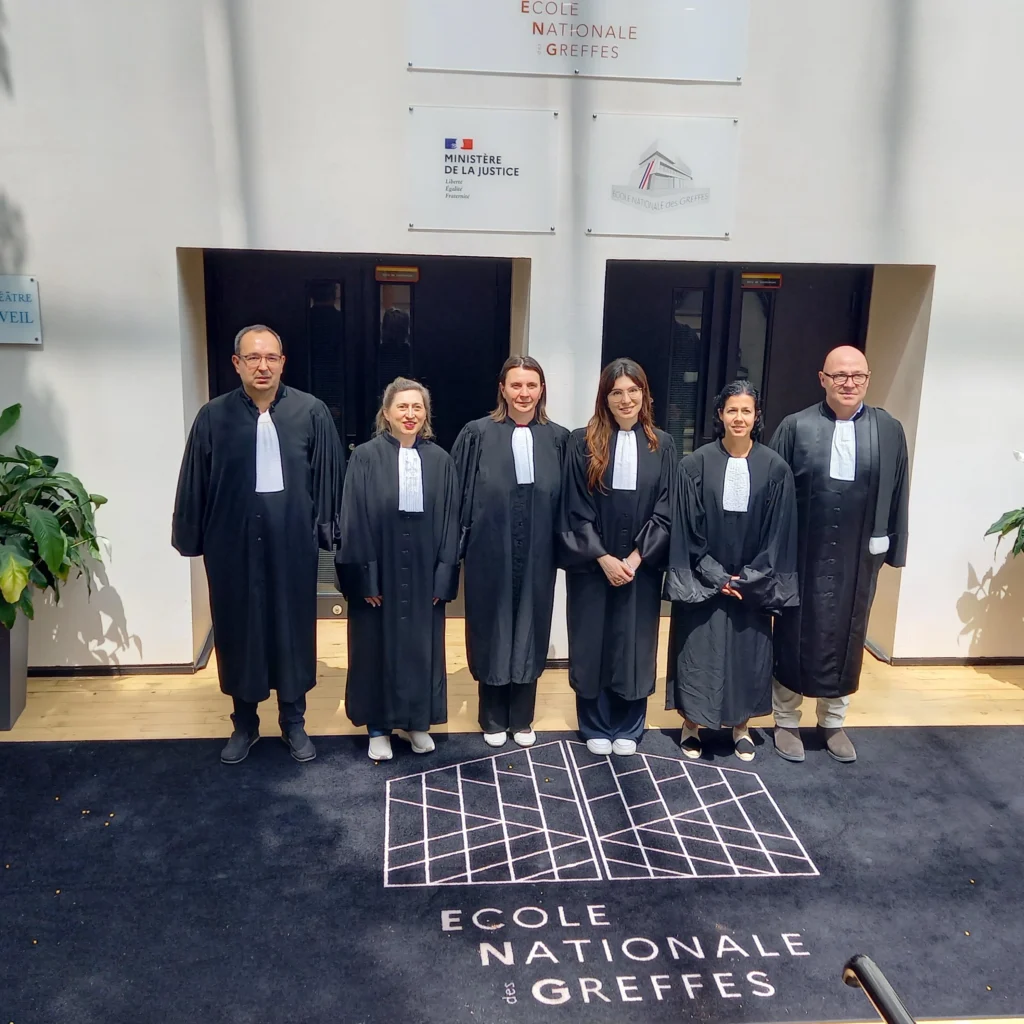
The EJTN Exchange Programme is a flagship activity, first launched in 2005, that helps participants deepen their understanding of EU legal systems, exchange good practices, and reinforce mutual trust in support of future cross-border cooperation.
These short, practical training periods of three to five days allow justice practitioners to discover the judicial system of another EU Member State through peer-shadowing or group visits. EJTN offers a variety of training formats adapted to the training needs of European judges, prosecutors, court staff, and trainers including general exchanges, specialised exchanges in 21 different areas of law as well as exchanges dedicated to judicial leaders and trainers.
Achievements in 2025
The year 2025 marked an important milestone for the EJTN Exchange Programme, as the programme celebrated its 20th anniversary. Over the past two decades, more than 30,000 participants have engaged with their peers from different European countries, broadened their understanding of EU law, strengthened mutual trust, and contributed to a shared European judicial culture.
In 2025, 450 exchanges were organised across 26 EU Member States, benefitting a total of 895 participants and engaging 332 tutors.
In November 2025, EJTN published its first compendium of best practices on the initiative of the Exchange Programme Working Group. This key publication, titled ‘Compendium of Best Practices Identified by Participants in an EJTN Judicial Exchange’ is a valuable resource for justice practitioners across EU Member States. It brings together insights and effective practices observed by over 1,000 judges, prosecutors and court staff during their 2024 EJTN judicial exchanges and demonstrates their impact at national level.
“Over the past two decades, more than 30,000 participants have engaged with their peers from different European countries.”
Project-Based Exchanges
Overview
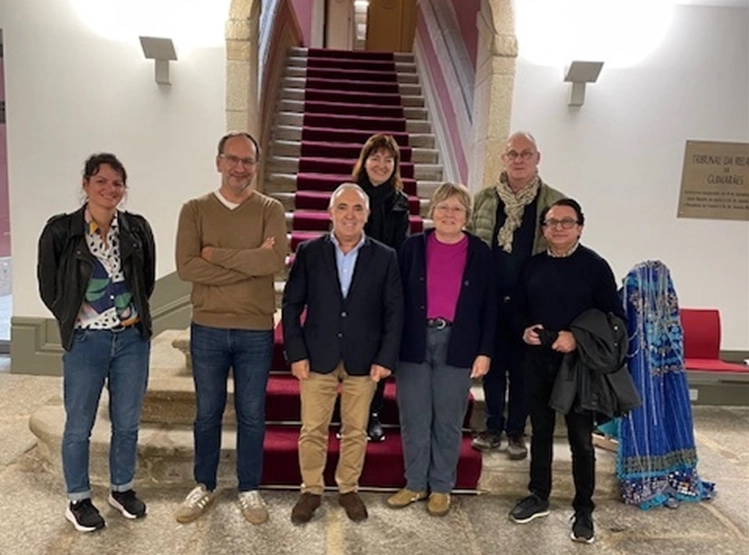
In 2025, project-based exchanges comprised several formats – bilateral exchanges, regional exchanges, judiciary learning grant programme, and EJTN-CEPOL exchanges – supporting direct cooperation between courts and prosecution offices of different EU Member States. They enabled European judges, prosecutors, court staff, and trainers to develop and implement training projects that respond directly to their professional needs and interests, while fostering the exchange of good practices.
Achievements in 2025
A total of 55 projects were implemented through project-based exchanges in 2025, involving 218 judges, prosecutors and court staff from 19 EU Member States.
Within the judiciary learning grant programme, a pilot project specifically dedicated to members of the European Judicial Network for Civil and Commercial Matters enabled a group of five participants to focus on family law matters, with a view to better analyse cases involving persons who are nationals of both the host country and the sending country.
Moreover, the EJTN Exchange Programme Working Group worked on the redesign of bilateral exchanges, regional exchanges, and judiciary learning grants into a single, streamlined activity. This new format offers greater flexibility to justice practitioners to design their projects, provided that clear thematic specialisation and professional relevance are demonstrated. Each project is assessed using a scoring rubric, which ensures that qualitative standards are met by all selected projects
The informational video – first produced in 2024 – was also updated to accompany this redesign, explaining the main changes and the application process.
“The new format of project-based exchanges offers greater flexibility to justice practitioners to design their projects.”
Long-Term Training Periods
Overview
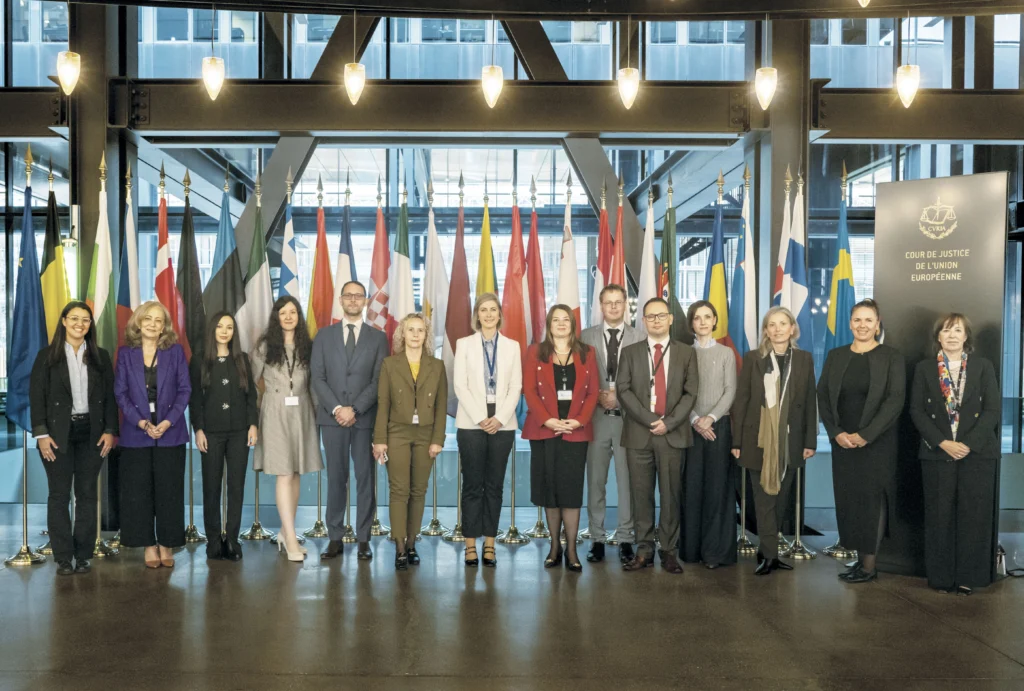
The EJTN long-term training programme immerses judges and prosecutors at the heart of European judicial institutions, including the Court of Justice of the European Union, the European Court of Human Rights, the European Public Prosecutor’s Office, and Eurojust. Participants are directly involved in legal casework and research. This hands-on experience strengthens their practical skills while expanding their expertise in EU law, human rights, and cross-border judicial cooperation.
Achievements in 2025
In 2025, 84 participants from 22 EU Member States took part in a long-term training period. EJTN was especially pleased to welcome participants from Malta and Luxembourg for the first time. This was achieved thanks to a strengthened cooperation with the Court of Justice of the European Union and a targeted communication campaign. In addition, the partnership with the European Public Prosecutor’s Office within the framework of the long-term training programme was reaffirmed for the second year, with five participants gaining concrete and in-depth insights into the EPPO’s work and role.
The EJTN Exchange Programme Working Group also finalised a major revision of the evaluation process and tools for long-term training periods, which had been initiated in 2023. These updates allow EJTN to better measure the programme’s impact. In this context, EJTN held its first focus group in October 2025, bringing together former participants to reflect on their long-term training experience. The discussion highlighted the lasting benefits of knowledge sharing, the development of strong professional networks, and the enduring impact of these immersive training experiences.
“The EJTN Exchange Programme Working Group finalised a major revision of the evaluation process and tools for long-term training periods.”
Study Visits
Overview
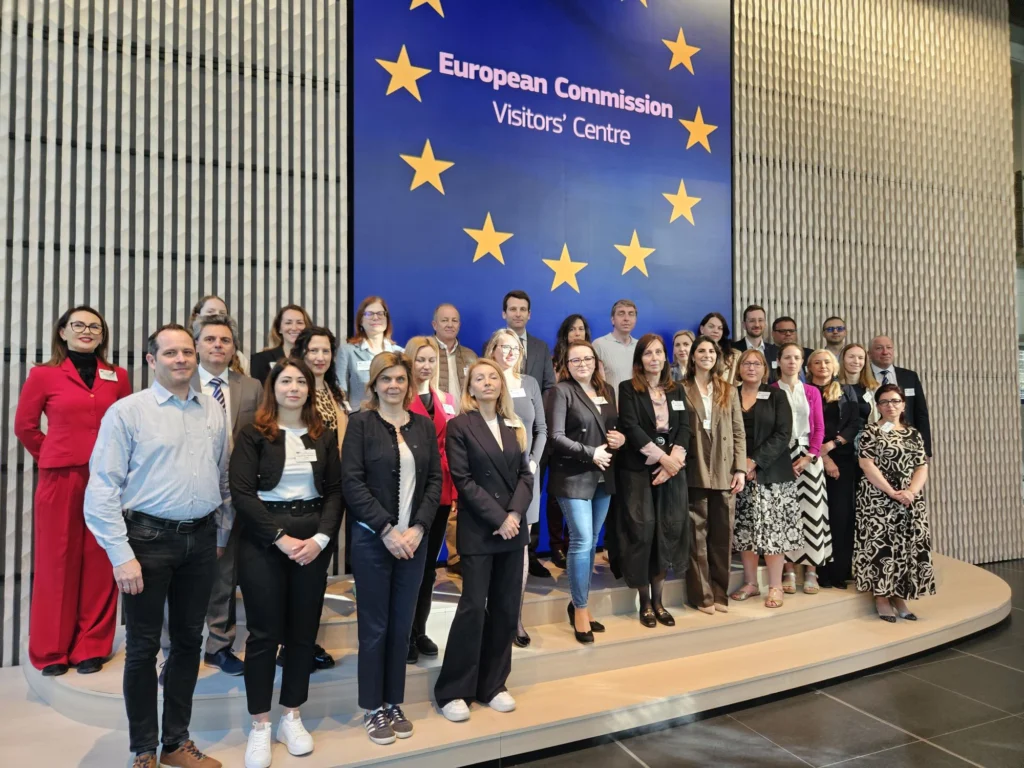
EJTN organises study visits to several leading European judicial and institutional bodies, including the Court of Justice of the European Union, the European Public Prosecutor’s Office, Eurojust, the European Court of Human Rights, the EU Agency for Fundamental Rights, the Hague Conference on International Private Law, key EU institutions – such as the European Commission, Parliament and Council – as well as the Max Planck Institute for Social Anthropology.
Through these visits, judges, prosecutors, court staff, and trainers from EU Member States gain direct exposure to the daily activities, roles, and functioning of these organisations. The programme enables participants to engage with staff members, exchange professional perspectives, and deepen their understanding into relevant regulations, policies, and case law of the respective host institutions.
Achievements in 2025
In 2025, the study visits continued to play a crucial role in the EJTN training offer, recording a 10.4% increase in participation compared to the previous year. A total of 529 participants from 24 EU Member States and the United Kingdom took part in one of the 16 study visits organised in 2025, allowing them to become acquainted with the mandate and activities of the visited institution.
During the September study visit to the Court of Justice of the European Union, long-term trainees at the CJEU and the EPPO participated and exchanged with the study visit group of judges, prosecutors, and court staff. Their participation broadened the reach of the study visit, increased the visibility of the long-term training periods to fellow judges and prosecutors, and fostered networking opportunities across EJTN activities.
An informational video was also produced to further explain the offer of EJTN study visits and the application process.
“In 2025, the study visits continued to play a crucial role in the EJTN training offer, recording a 10.4% increase in participation compared to the previous year.”
Administrative Law
Overview
EJTN’s administrative law portfolio, overseen by the EJTN Sub-Working Group on Administrative Law, continues to strengthen the capacities of judges, prosecutors, court staff, and trainers in applying the EU administrative law framework. Activities are delivered in cooperation with the Court of Justice of the European Union, the European Union Agency for Asylum, the Association of the European Administrative Judges, the Council of Europe, and the Max Planck Institute for Social Anthropology, ensuring high-quality and coherent training.
Achievements in 2025
In 2025, 16 activities focused on the various aspects of administrative law were held. These training activities were attended by 498 participants from across EU Member States.
Other notable milestones in this portfolio included the release of its first learning podcast on state liability and the introduction of two new webinar series focused on tax law and digital markets, thus introducing a new format for addressing these subjects.
Moreover, the seminar on asylum law was hosted at the headquarters of the European Union Agency for Asylum in Malta for the first time, which highlights the strengthening of the important partnership between EJTN and the EUAA. Another notable innovation was the filming of the training on the Preliminary Ruling Procedure at the CJEU, which helps ensure that key parts of the programme are accessible to judicial schools across the EU Member States. The recordings will be shared in 2026 and will serve as foundational material for national schools to develop and structure their own related training activities.
“A notable innovation was the filming of the training on the Preliminary Ruling Procedure at the CJEU, which helps ensure that key parts of the programme are accessible to judicial schools across the EU Member States. “

Related content
Civil Law
Overview
EJTN’s civil law training activities are tailored to the needs of European judges, prosecutors, court staff, and trainers, combining self-paced, online, and interactive learning to address different professional roles and levels of experience. Learning resources, including videos on labour law, European civil procedure, and e-CODEX, support the development of procedural and digital competences, while scenario-based exercises and practical simulations link EU civil law directly to everyday judicial practice.
Through these activities, the portfolio strengthens professional capacity, promotes the consistent application of EU civil law, and fosters judicial cooperation across the European Union.
Achievements in 2025
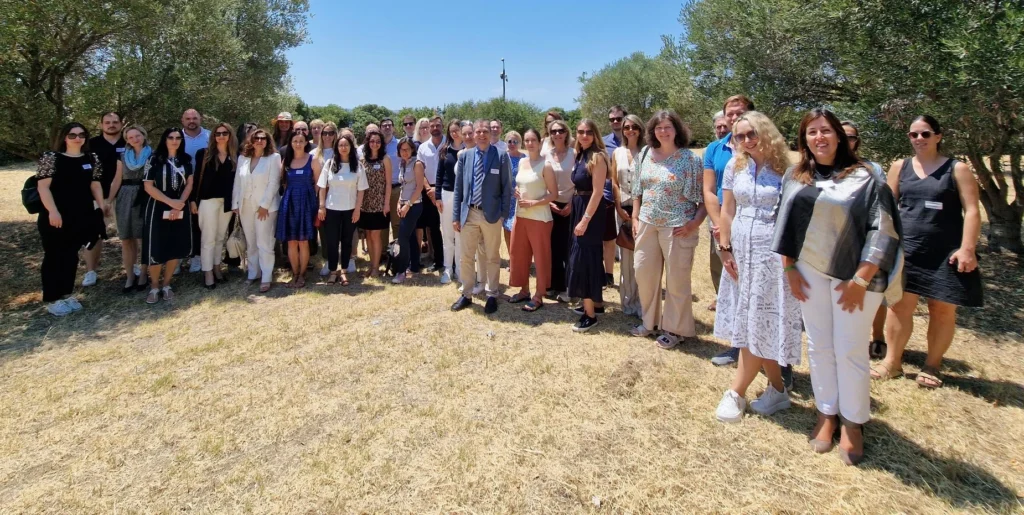
In 2025, 14 civil law training activities were successfully delivered, reaching all EU Member States and engaging 588 judges, prosecutors, and court staff. The activities were implemented within a robust framework aligned with the European Commission’s European Judicial Training Strategy 2025–2030.
The programme combined in-person and online formats to ensure both depth of learning and broad accessibility, while placing a strong emphasis on the practical application of EU civil law instruments in civil and cross-border cases. Moreover, a scenario-based training game on consumer protection was initiated, with a launch foreseen for the following year.
Overall, the 2025 civil law training strengthened professional capacity, supported the consistent application of EU civil law across jurisdictions, and further reinforced cooperation among justice professionals throughout the European Union.
“The overall purpose of the year’s activities was aimed at advancing the digital transformation of justice.”
Related content
Criminal Justice
Overview
EJTN’s Criminal Justice portfolio supports the European justice practitioners in implementing EU criminal law effectively, with a particular focus on topics such as cross-border cooperation, access to justice for victims and persons suspected or accused of crime, human trafficking and child labour exploitation, environmental crimes, cybercrime and electronic evidence, asset recovery confiscation, and emerging criminal justice challenges. In addition, training activities aim at enhancing practitioners’ expertise and knowledge to ensure that the EU aquis is implemented correctly and consistently across the EU.
EJTN collaborates closely with key partners, including Eurojust, Europol, the European Public Prosecutor’s Office (EPPO), the European Judicial Network (EJN), the European Union Agency for Fundamental Rights (FRA), the European Network of Forensic Science Institutes (ENFSI), Victim Support Europe and the JITs Network. A special partnership with the European Union Agency for Law Enforcement Training (CEPOL) allows the delivery of annual joint seminars on most serious cross-border criminal offences.
Achievements in 2025
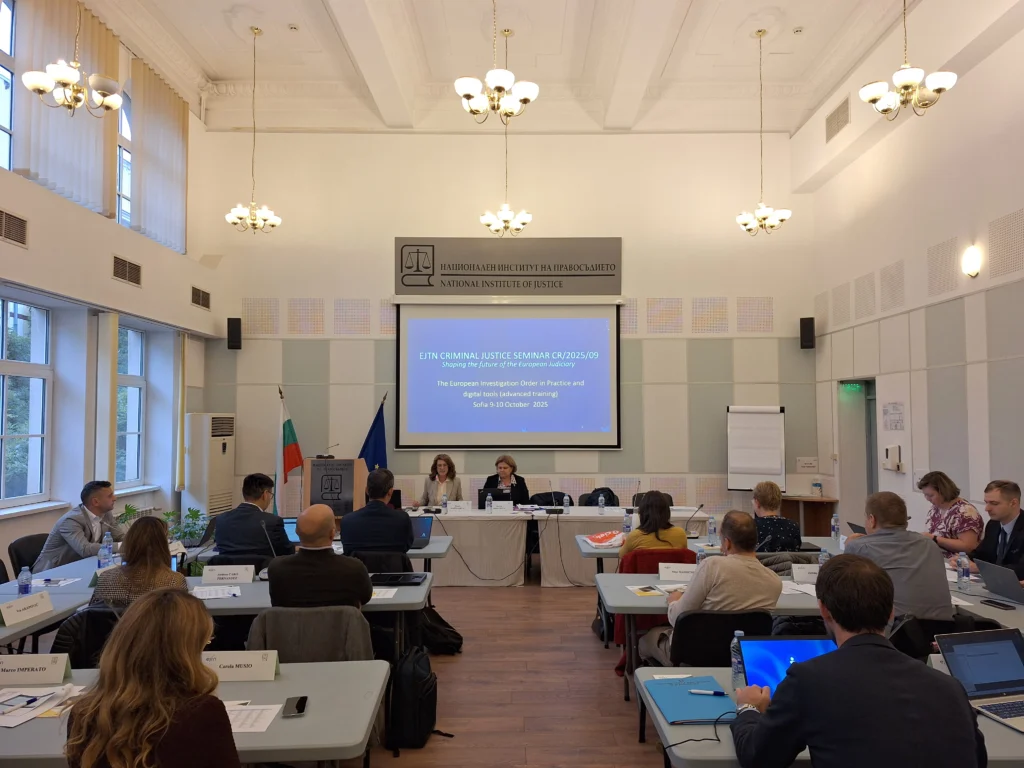
In 2025, the Criminal Justice Sub-Working Group organised a total of 27 training activities, including in-person seminars, online courses, and webinars. They brought together 768 participants (of which 49 in joint EJTN-CEPOL events) from 26 EU Member States, the Western Balkans, and Ukraine.
An important focus of the year was on the digital transformation of justice systems across the EU. Through the digital cross-border criminal justice initiative, EJTN continued to raise awareness among justice practitioners about electronic platforms and digital tools to support cross-border judicial cooperation, reflecting the growing importance of digital solutions in modern justice. Other key topics addressed in 2025 included the European Investigation Order (EIO), asset recovery, confiscation and management of illicit assets, and the collection of electronic evidence, including the eEvidence legislative package.
Moreover, two webinars on new topics were introduced in the Criminal Justice programme, focusing on the use of AI in forensic evidence, and EPPO cases and judicial review. Topics that drew strong interest from court staff included juvenile justice, the rights of defendants, victim protection, and probation measures.
“An important focus of the year was on the digital transformation of justice systems across the EU.”
Human Rights and Fundamental Freedoms
Overview
In an increasingly digitalised and interconnected world, EJTN places the promotion and protection of human and fundamental rights at the core of its mission. This important work is led by the Human Rights and Fundamental Freedoms Sub-Working Group, which designs and implements training activities for European judges, prosecutors, and court staff, raising awareness of contemporary challenges to these rights and the Rule of Law, while strengthening the capacity of justice practitioners to protect them.
Achievements in 2025
In 2025, the Human Rights and Fundamental Freedoms portfolio delivered 12 training activities, reaching a total of 376 participants from 24 EU Member States, two Western Balkan countries, and Ukraine, representing a 12% increase compared with the previous year.
The training activities maintained a strong focus on the Rule of Law and the EU Charter of Fundamental Rights, implemented in the context of the Charter’s 25th anniversary. This reaffirmed EJTN’s commitment to equipping Europe’s justice practitioners with the skills they need to uphold both effectively. Other thematics included topics, such as hate crime and hate speech, cultural diversity, the impact of new technologies on human rights and the Rule of Law, and the freedom of expression in the digital environment.
A strategic emphasis was placed on digitalisation, notably through the development of new blended learning activities that promoted both digital skills and the sustainable use of training materials. This included the implementation of a new course titled ‘Access to Justice in the Digital Environment’, developed in partnership with the HELP Programme of the Council of Europe and presented at a launch event in Strasbourg in November. This launch marked a shift from a general focus on access to justice to a more specific focus on challenges arising in the digital context. A special milestone of the year was the implementation of an online training activity on the fundamental rights of vulnerable people and people with disabilities, which was delivered – for the first time – with simultaneous interpretation into international sign language.
“The training activities maintained a strong focus on the Rule of Law and the EU Charter of Fundamental Rights, implemented in the context of the Charter’s 25th anniversary.”

Digitalisation
Overview
Throughout 2025, and building on work started the previous year, a range of training activities on digitalisation and modern technologies helped justice practitioners across Europe strengthen their digital skills, better understand tools such as Artificial Intelligence and electronic case management systems, and reflect on the legal, ethical and practical impact of technology on judicial systems. By reinforcing digital competences within the judiciary, EJTN’s work aligned closely with the European Commission’s emphasis on capacity‑building and skills development as key enablers of Europe’s digital transition.
Achievements in 2025
In 2025, training activities organised under EJTN’s digitalisation portfolio reached a wide audience through 21 initiatives which engaged 78 participants in-person and 2,750 online.
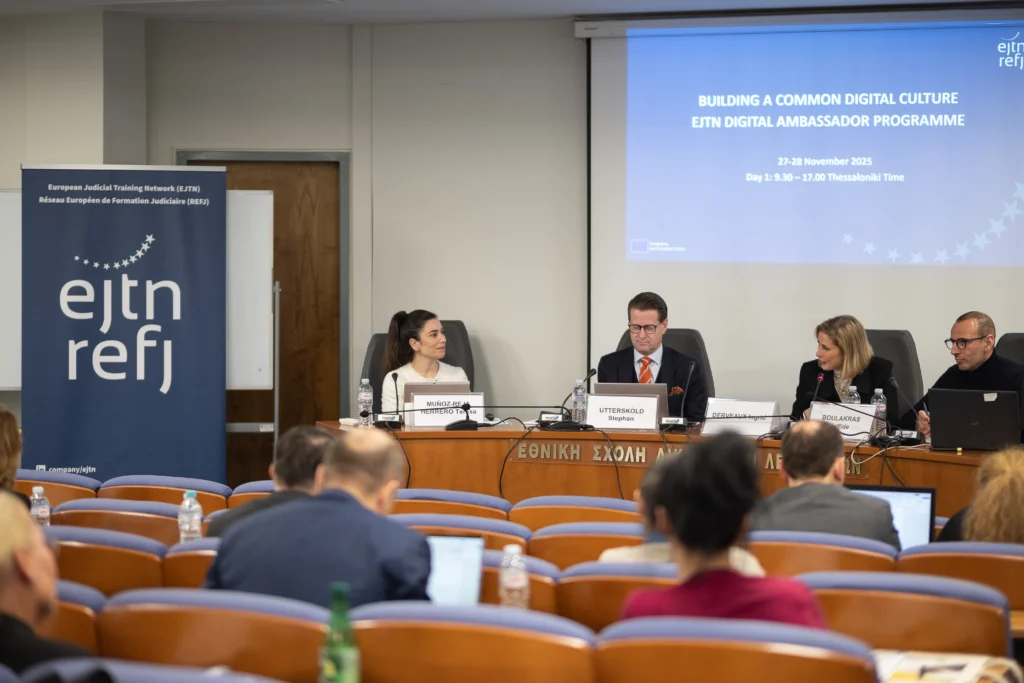
One of the key initiatives of the year was the EJTN Digital Ambassador Programme, titled ‘Building a Common Digital Culture’, which delivered a rich combination of training, collaboration, and exchange of best practices. This pioneering programme was built around the Digital Competence Framework for Justice Personnel, developed in collaboration with EJTN member, Centre for Legal Studies in Spain. The programme consisted of two hybrid conferences, complemented by an eight-session webinar series and a dedicated e-learning course, produced in partnership with the HELP Programme of the Council of Europe.
A total of 132 justice practitioners from 21 EU Member States successfully completed the training cycle and are now certified as EJTN Digital Ambassadors for 2025.
Other important training activities of the year included the Case Management Systems (CMS) webinar series, which highlighted the challenges and successes encountered in different European countries during the development and implementation of case management systems. The series fostered cross-border collaboration, offering participants a platform to connect with their peers. Another webinar series focused on the impact and challenges of Artificial Intelligence on Europe’s justice practitioners, covering practical insights, potential ethical concerns, and the EU legal framework. The strong and positive reception of the series led to its continuation in 2026.
“A total of 132 justice practitioners from 21 EU Member States successfully completed the training cycle and are now certified as EJTN Digital Ambassadors for 2025.”
Linguistics
Overview
Launched in 2011, EJTN’s linguistics seminars equip judges, prosecutors, trainees, and court staff across the EU with practical language skills in legal English, French, German, Spanish, and Italian. The programme strengthens linguistic and legal competences, thus supporting cross-border cooperation and fostering a shared European legal culture. The programme’s training methods include face-to-face seminars, popular online conversation classes, as well as freely accessible legal language handbooks.
Achievements in 2025
In 2025, the linguistics portfolio delivered eight face-to-face seminars focusing on cooperation in civil, criminal, family, human rights, asylum, and organised crime law. A total of 808 participants joined linguistic training activities, either in person or online. In addition, two Summer Schools held in Italy and Slovakia completed a dynamic training offer for the year. Intended for future judges and prosecutors, the Summer Schools help build the linguistic skills needed in their careers as EU judges.
A major achievement was the delivery of a record 54 Online Conversation Classes in multiple languages, attracting 521 participants. These classes play a vital role in strengthening the linguistic skills of the justice practitioners across the European Union and facilitating participation in other EJTN training programmes and exchanges. Overall, the positive reception and the tangible outcomes of these classes highlight the continued growth of the linguistic portfolio and its strong contribution to advancing legal language skills and judicial cooperation across the EU.
“A major achievement was the delivery of a record 54 Online Conversation Classes in multiple languages, attracting 521 participants.”

Related content
Judicial Training Methods
Overview
The Working Group on Judicial Training Methods (JTM) provides guidance in training methodology and evaluation. The Working Group also serves as a forum for training the trainers, sharing best practices and developing training activities focused on soft skills. Key topics for the JTM Working Group include innovation in judicial training, judgecraft and ethics, leadership training, and gender equality in justice.
Achievements in 2025
In 2025, the JTM Working Group organised 11 training activities, providing training for a total of 230 participants. Judicial trainers were a core target audience of the activities, with four activities specifically designed to support the development of their individual training skills on digital tools.
Moreover, 59 EJTN Activity Coordinators took part in two training activities, which were designed to improve the overall coordination of EJTN training offer.
The JTM Working Group also worked on the preparation of a key publication titled ‘State of the Judicial Training in Europe’, which was launched at the beginning of 2026. This fundamental report gives a comprehensive overview of the organisation and training methods of EJTN members. To develop this study, a common database of judicial training institutions was developed to provide rich data on the judicial training institutions. The database is available on the EJTN Intranet.
Initiated in 2024, the Women in Justice and Gender Equality project also fully took off in 2025 with two key initiatives. In March, an online conference titled ‘Gender Equality in Justice: How to Achieve it Through Training’ was organised with high-level speakers to discuss and share their experiences. This event was attended by 260 participants from 45 different countries. In October, the first training of this initiative was organised online. Targeting women in leading positions, it aimed to strengthen their awareness and competence in addressing gender bias they may encounter.
“The report ‘State of the Judicial Training in Europe’ gives a comprehensive overview of the organisation and training methods of EJTN members.”

Catalogue of Members’ Activities
Overview
EJTN’s Catalogue+ programme upgrades existing training courses of EJTN’s Members and finances international participation in these. These courses, available to European judiciary, cover a wide range of legal fields and offer participants a valuable opportunity to attend various training courses organised by the EJTN Members.
The objective of the programme is to transform training activities organised by national judicial training institutions into cross-border events, allowing up to 10 judges and prosecutors from other European Union countries to participate.
Achievements in 2025
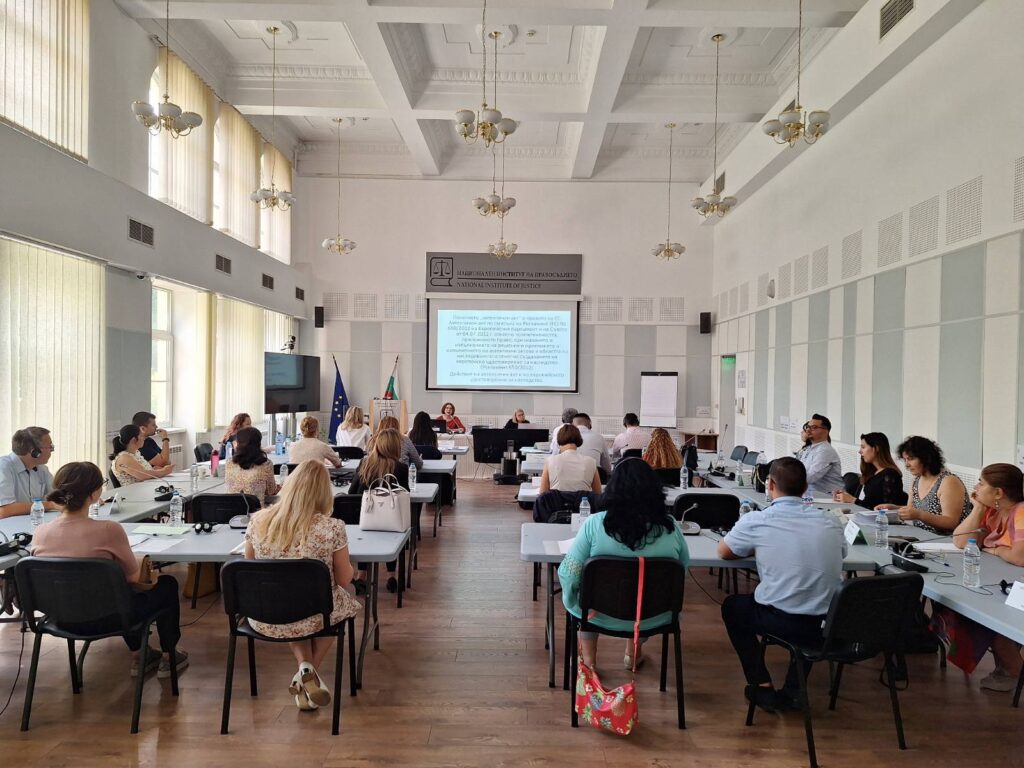
In 2024, 12 EJTN Members contributed to the Catalogue+ programme. A total of 224 participants from 12 EU countries attended 23 training activities (online or in-person) organised under this framework.
Participants consistently expressed their high appreciation for the quality of the training activities, including the experts delivering the trainings, the wealth of information shared and the international atmosphere.
“In 2024, 12 EJTN Members contributed to the Catalogue+ programme.”
Related content
Catalogue of Members’ Activities
Overview
The EJTN Catalogue of Members’ Activities has enhanced judicial training across the European Union since 2003 by opening national judicial training activities to participants from other EU Member States. This initiative enables cross-border access to national-level training sessions organised by EJTN Members and Associate Members and operates through a scholarship system, with 50 funded places per year and a maximum of five places per country. The Catalogue of Members’ Activities contains a wealth of training opportunities designed to strengthen the expertise of the European judiciary.
Achievements in 2025
In 2025, the Catalogue of Members’ Activities offered a total of 117 activities. EJTN’s scholarship fund allowed 36 participants to take part in 23 in-person seminars. Additionally, three participants joined online.
The participants included:
- 27 judges (3 from Germany, 5 from Greece, 3 from Italy, 2 from Latvia, 1 from the Netherlands, 5 from Poland, 2 from Spain, 2 from Slovenia, 4 from Slovakia)
- 7 prosecutors (1 from Germany, 1 from Italy, 1 from Luxemburg 1 from the Netherlands, 1 from Portugal, 2 from Spain)
- Others (2 from Romania, 3 from Slovenia)
“In 2025, the Catalogue of Members’ Activities offered a total of 117 activities.”
Catalogue +
Overview
Building on the foundation of the Catalogue of Member’s Activities, the EJTN Catalogue+ programme transforms national courses into cross-border learning opportunities by funding interpretation and the participation of judges, prosecutors and court staff from other Member States, thus fostering international collaboration. The EJTN Catalogue+ initiative allows the European judiciary to learn about both EU and national law useful for them in their daily professional life and encourages comparative exchanges.
Achievements in 2025In 2025, 13 EJTN Members contributed to the Catalogue+ programme. A total of 160 participants from 15 EU Member States took part in 20 in-person training activities.
The participants included:
- Others (2 from Bulgaria, 3 from Croatia, 1 from Czechia, 1 from Greece, 1 from Spain, 1 from France, 2 from Italy, 1 from Luxemburg, 2 from Portugal, 1 from Romania, 1 from Slovenia).
- 96 judges (10 from Bulgaria, 6 from Croatia, 5 from Czechia, 1 from Germany, 13 from Greece, 2 from France, 10 from Italy, 10 from Latvia, 3 from Poland, 13 from Portugal, 17 from Romania, 2 from Slovenia, 4 from Slovakia)
- 39 prosecutors (7 from Bulgaria, 3 from Croatia, 2 from Czechia, 2 from Germany, 1 from France, 7 from Italy, 2 from Poland, 5 from Portugal, 7 from Romania, 3 from Spain)
- 9 court staff (4 from Greece, 1 from Portugal, 4 from Spain)
Participants in the 2025 Catalogue+ activities assessed their experience very positively, praising the meticulous organisation and the relevance of training content and materials.
“Participants in the 2025 Catalogue+ activities assessed their experience very positively, praising the meticulous organisation and the relevance of training content and materials.”